Two months into a GLP-1, I went out for dinner and had half a glass of rosé. The amount of wine that, pre-medication, would have barely registered. And I felt it. By the time I got home, I was a little dizzy, a little sleepy, and genuinely confused. I had not become a lightweight. Something else was happening.
It turns out there are several somethings. If you’ve noticed your wine-with-friends math has completely changed since starting Ozempic, Wegovy, or Mounjaro — or if you’ve stopped wanting to drink at all, which is also a thing — you’re witnessing one of the most interesting, understudied side effects of this whole class of medications.
Here’s what the research is actually showing, why it’s happening, and what’s worth knowing before the next dinner party.
What’s actually going on (four things, happening at once)
1. Your stomach empties in slow motion.
GLP-1 medications dramatically slow gastric emptying — that’s part of why you feel full from so little food. But alcohol still has to exit your stomach to be absorbed in the upper intestine and reach the brain. A 2025 pilot study from the Fralin Biomedical Research Institute at Virginia Tech gave participants alcohol and measured their breath alcohol over time. In participants on semaglutide, tirzepatide, or liraglutide, blood alcohol rose more slowly than in controls, reaching peak intoxication later.1 Slower rise, but the total alcohol is still in you — meaning the intoxication curve flattens and stretches out, rather than disappearing.
2. Your liver is breaking alcohol down more slowly, too.
A September 2025 study from Yale School of Medicine, published in npj Metabolic Health and Disease, found that GLP-1 receptor agonists reduce levels of a key liver enzyme (Cyp2e1) that metabolizes alcohol.2 The net effect: alcohol stays in your bloodstream longer, and your blood alcohol concentration reaches higher peaks than it would have otherwise. The researchers noted that someone on a GLP-1 could be drinking an amount that wouldn’t normally put them over the legal limit — and end up over it anyway.
3. You’re probably drinking on a near-empty stomach.
On a GLP-1, most people eat significantly less before drinks than they used to. Combine that with a gastric emptying rate already in slow-mo from the medication, and you’re effectively drinking on a much less protective buffer than your body is used to. The familiar “eat a bagel before going out” trick doesn’t work the same way when your stomach is already crawling.
4. You’re lighter. The math has changed.
If you’ve lost 25 or 40 pounds on a GLP-1, the same amount of alcohol is now being diluted into a smaller body. Blood alcohol concentration scales inversely to body weight — which is part of why one glass now genuinely hits harder than it would have a year ago, even without any of the other mechanisms above.
The other thing nobody warned you about: you may not want it anymore
Somewhere between “I feel weird after one drink” and “I don’t feel like drinking,” many women quietly stop pouring. This isn’t an illusion either, and the research is catching up fast.
A February 2025 JAMA Psychiatry randomized controlled trial found that low-dose semaglutide significantly reduced alcohol craving and drinks-per-drinking-day in adults with alcohol use disorder, with medium-to-large effect sizes on amount consumed.3 A 2025 systematic review and meta-analysis in eClinicalMedicine pooled the human data and concluded GLP-1s — semaglutide and liraglutide in particular — reduce alcohol intake, relapse rates, and AUDIT scores, especially in people with obesity or type 2 diabetes.4
The mechanism appears to be central: GLP-1 receptors are distributed throughout the brain’s reward system, including the nucleus accumbens and ventral tegmental area, which are exactly the structures implicated in alcohol’s reinforcing effect. Neuroimaging studies have shown reduced brain reactivity to alcohol cues after GLP-1 treatment.5 In plain English: your brain is reporting less interest in the drink in the first place.
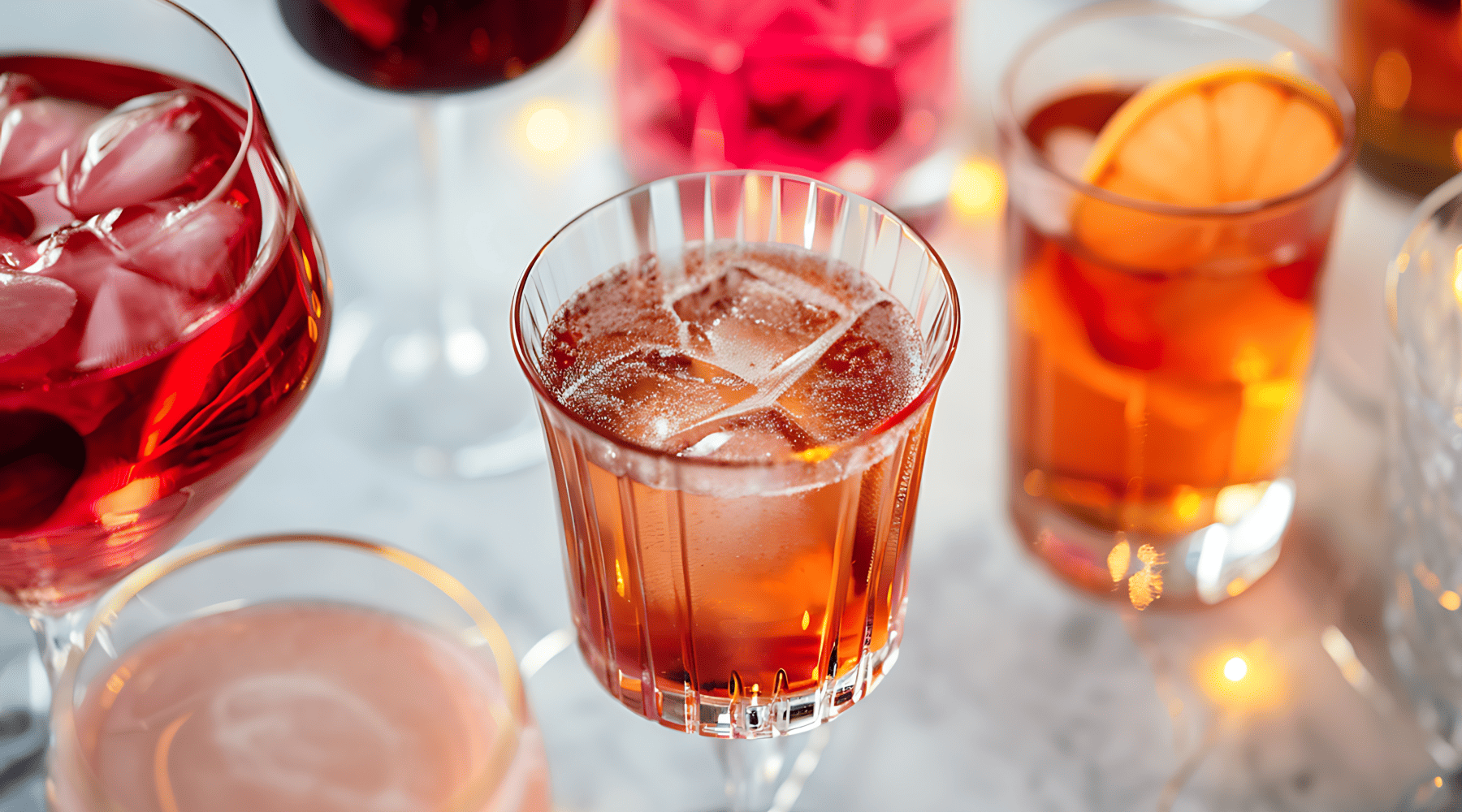
For many women, the experience is subtle — they just stop ordering a second glass, stop keeping wine in the fridge, stop thinking about rosé at 5 p.m. Others describe it as more dramatic: a decade of habit falling off in a month. Both versions are consistent with the science.
The risks most people never hear about
You may be more impaired than you feel. The Virginia Tech pilot found that people on GLP-1s consistently reported feeling less intoxicated even when their breath alcohol was similar or trending higher.6 Combined with the Yale liver finding, this is a problem that matters specifically for driving. The legal limit is a blood alcohol number, not a vibe.
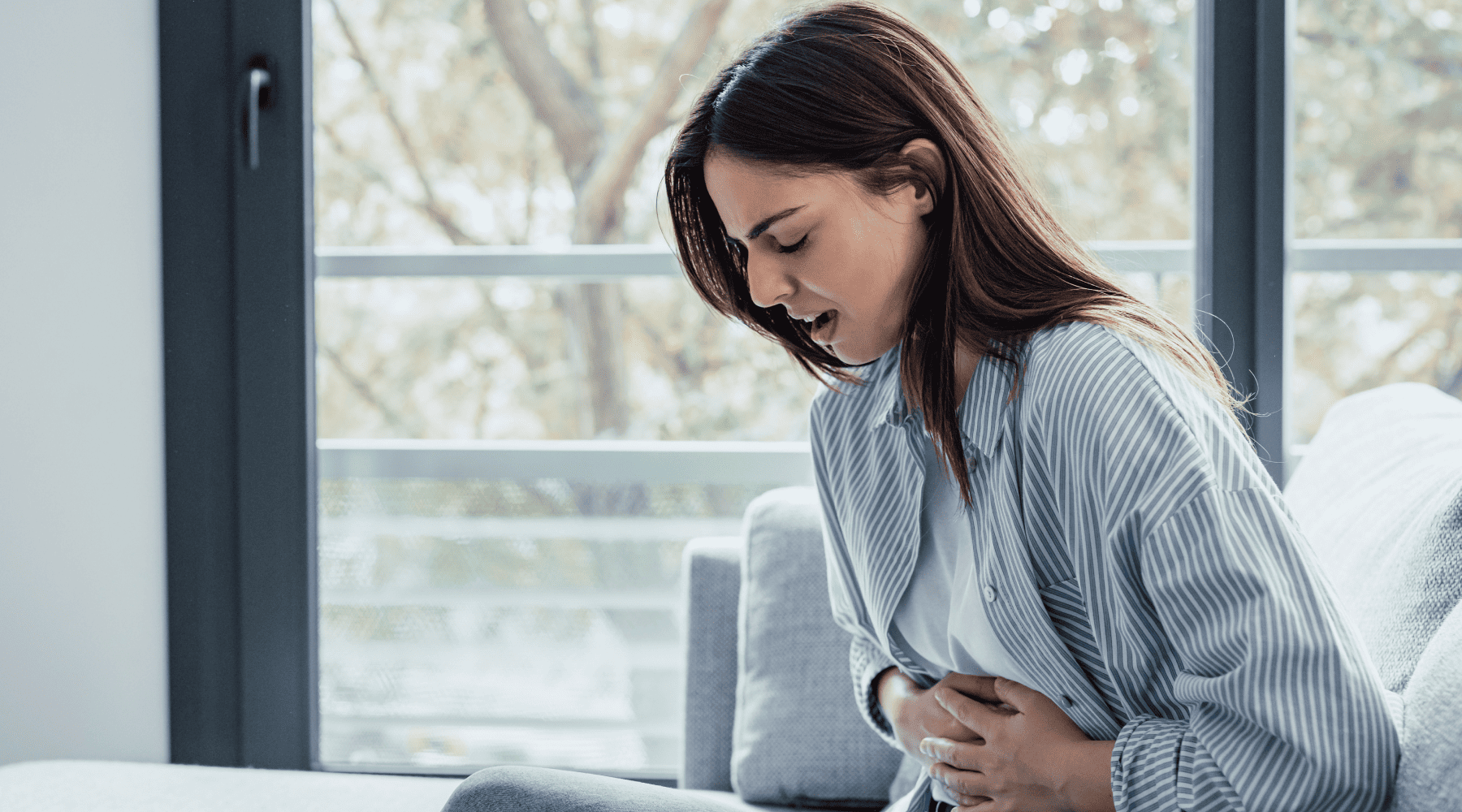
Drinking + nausea is a rough combination. GLP-1s cause nausea in many users, particularly during dose escalations. Alcohol piled on top of that can escalate into serious GI distress, vomiting, and dehydration quickly.
Your liver is already working harder than usual. Rapid weight loss mobilizes fat, and some of it passes through the liver. Pairing that metabolic workload with heavy drinking isn’t a great idea for anyone, and it’s a particularly bad idea on a GLP-1.
Low blood sugar is a real risk on combination therapy. If you’re on a GLP-1 plus insulin or a sulfonylurea (for diabetes), alcohol can drop blood sugar unpredictably. Talk to your prescriber.
A practical playbook for the next dinner party
Assume one drink now does the work of two. Start there and see how you feel. Most women I know land on roughly half their previous tolerance.
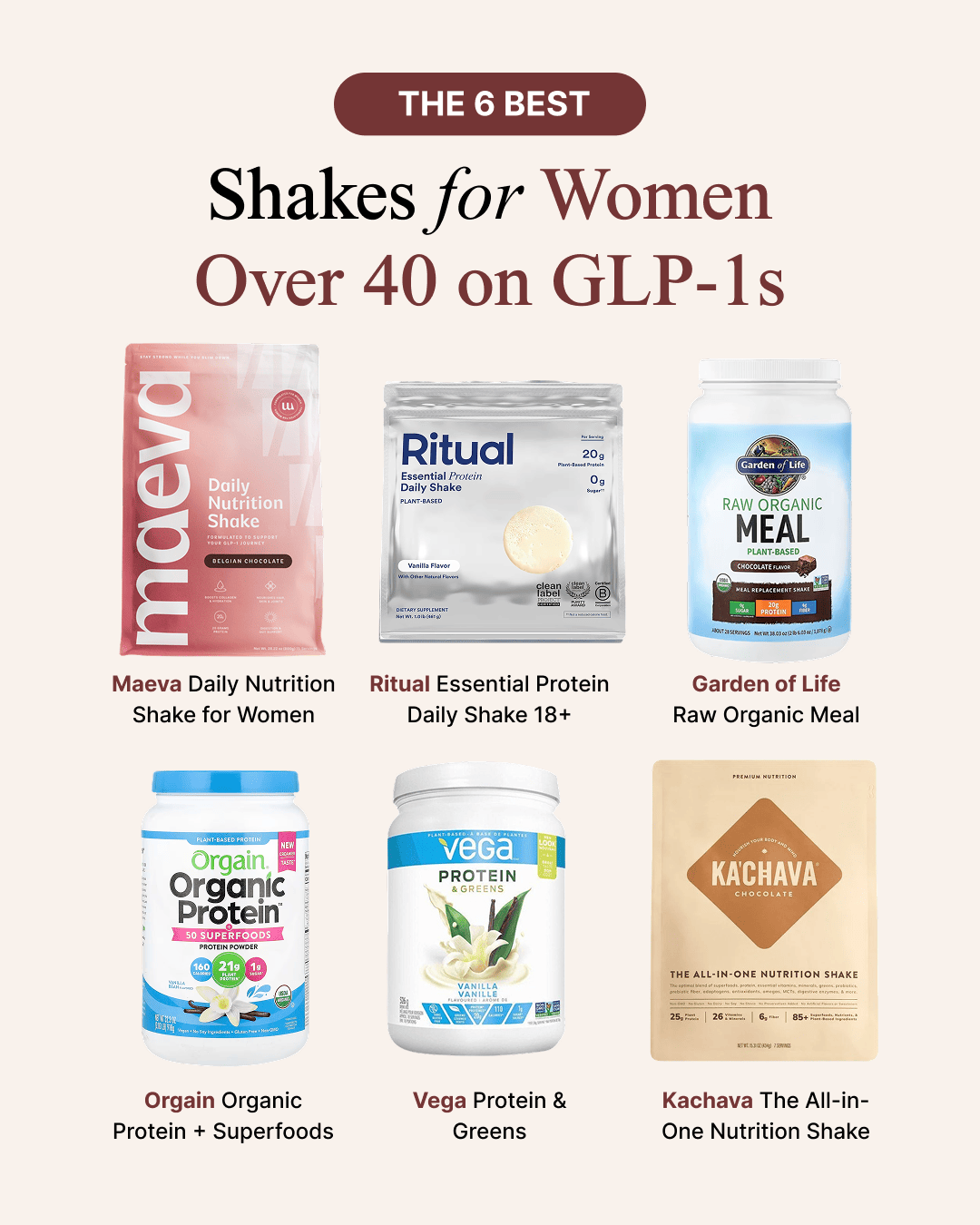
Eat before you drink. Real food, protein-forward. If your appetite is genuinely suppressed and food before an event feels impossible, a high-protein nutrition shake specifically designed for GLP-1 users — high protein, low volume, gentle on a slow stomach — can put enough in your system to meaningfully change the curve.
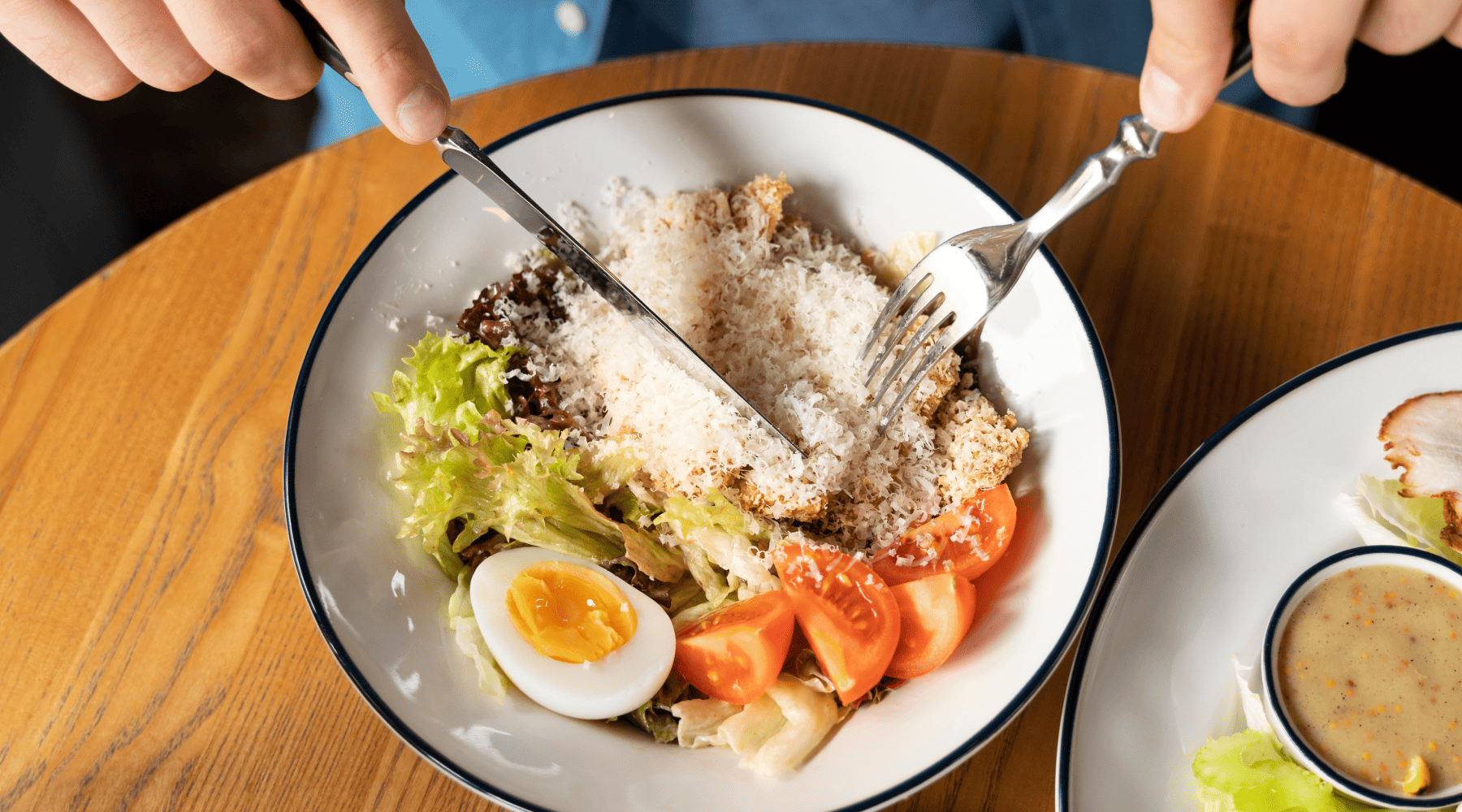
Slow down. Sip. Put the glass down between sips. Alternate with water. Alcohol absorbed slowly is alcohol you have more control over.
Don’t drive off of “I feel fine.” Your subjective experience of intoxication is not a reliable guide on a GLP-1. If you’ve had anything and need to get home, get a ride.
If you’re noticing you don’t want to drink anymore, don’t force it. Women often describe the disappearance of alcohol cravings as one of the quiet wins of GLP-1s — better sleep, clearer mornings, cheaper dinners, fewer regrets. It’s not a side effect to fight through. It’s a feature to run with.
The bottom line
Alcohol on a GLP-1 is genuinely different than alcohol off one. It comes on differently, leaves more slowly, hits a smaller body harder, and arrives in a brain that’s less interested in it to begin with. For most women, this means drinking less, wanting less, and feeling better — with some real driving and health-related caveats worth taking seriously.
One glass really is enough now. Plan accordingly.
This article is for informational and educational purposes only and is not medical advice. If you have concerns about your alcohol use or are taking medications that interact with alcohol, please speak with your healthcare provider. If you are struggling with alcohol dependence, support is available through SAMHSA’s National Helpline.
Sources
1. Virginia Tech News, “‘How drunk do you feel?’: Ozempic, Wegovy may help reduce alcohol use,” October 2025 (Fralin Biomedical Research Institute pilot study). https://news.vt.edu/articles/2025/10/research_fralinbiomed_difeglp1au.html
2. Yale School of Medicine, “GLP-1 Receptor Agonists Protect the Liver During Alcohol Consumption,” September 2025. https://medicine.yale.edu/news-article/glp-1-receptor-agonists-protect-the-liver-during-alcohol-consumption/
3. JAMA Psychiatry, “Once-Weekly Semaglutide in Adults With Alcohol Use Disorder: A Randomized Clinical Trial,” February 2025 (Hendershot et al.). https://jamanetwork.com/journals/jamapsychiatry/fullarticle/2829811
4. “Effects of glucagon-like peptide-1 receptor agonists on alcohol consumption: a systematic review and meta-analysis,” eClinicalMedicine, November 2025. https://www.thelancet.com/journals/eclinm/article/PIIS2589-5370(25)00579-6/fulltext
5. Endocrine Society, “GLP-1s show promise in treating alcohol and drug addiction,” October 2025 (Leggio et al., NIH). https://www.endocrine.org/news-and-advocacy/news-room/2025/glp1s-show-promise-in-treating-alcohol-and-drug-addiction
6. “A preliminary study of the physiological and perceptual effects of GLP-1 receptor agonists during alcohol consumption in people with obesity,” Scientific Reports, 2025. https://www.nature.com/articles/s41598-025-17927-w